

A plant based diet, also known as veganism, refers to a diet that excludes not only all meat and fish products but all animal by-products including eggs, dairy, and honey. Plant based eaters rely on large consumptions of a variety of vegetables, grains, legumes, fruits, nuts and soy to fulfill their body’s nutritional needs.
The popularity of plant based eating has gained momentum over the past few years from an increased awareness of the environmental , ethical, and health related issues associated with eating animals. As we seek healthier ways of daily living, a plant based diet can provide many potential health benefits. Here are 3 positive benefits of changing to the plant based lifestyle.
- Prevention and/or management of chronic illness including diabetes, heart disease, and cancer. Research suggests that individuals following vegan and/or vegetarian diets have a lower risk of developing chronic inflammatory diseases as these diets correspond with the consumption of higher amounts of antioxidants, micronutrients, dietary fiber, and phytochemicals.
- Aids in healthy weight management. Vegan diets are associated with a lower prevalence of obesity as they are nutrient dense and associated with healthier food choices.
- Aids in reducing and maintaining blood pressure and cholesterol levels. Due to lack of meat and dairy consumption, vegans/ plant-based eaters naturally have a lowered intake of saturated fat and cholesterol in their daily diet, lowering their risk of these type of health issues.
What Other Benefits are Associated with a Plant-Based Diet?

Ethically
We all know that meat involves the slaughter of animals, which in itself is enough of a reason for some people to be against their consumption. What many people may not realize or care to know about is the cruel conditions in which many animal are housed and treated in the farming industry. From crowded and filthy living spaces, to no access to outdoors, lack of fresh water, and untreated illness and injury, the farming industry has been exposed for unethical practices. This same negligence extends to the dairy and egg industry, making veganism the most ethical choice for those concerned with the treatment and care of living creatures.

Environmental/Sustainability
The fact is, not only does the meat industry contribute to animal cruelty world- wide, but it has negative environmental impacts. These environmental impacts can fall into 3 main categories: greenhouse gases, water, and land. The Worldwatch Institute estimates that livestock production contributes to as high as 51% of greenhouse gas emissions with a large portion of these emissions resulting from manure, as it turns into methane gas. In addition to this, greenhouse gases result from preparing land for livestock, transporting products, and maintaining feeding crops. When it comes to water, the production of meat and protein takes significantly more fresh water compared to that same amount of grain or plant product. Deforestation and clearing of natural environments and its animal habitats to plant feeding crops is also a negative result of maintaining meat production. These crops go towards feeding/maintaining livestock, not to the mouths of hungry humans worldwide. How is it possible that there are people in the world starving every single day, yet 1/3 of the world’s grain production goes towards meat production? With all things considered, a vegan diet significantly reduces your personal environmental footprint as your diet produces less greenhouse gases, uses less fresh water, and uses less land. As we deplete the worlds land and resources to sustain the meat and dairy industries, it becomes more clear that the vegan lifestyle is the most sustainable diet for the future of our planet.

Cost/Financially
A big factor in many people’s diet choice is cost. As vegetarianism and veganism has gained popularity, the access and affordability of products has increased as well. Contrary to common belief, a vegan lifestyle can be very cost efficient. Fresh produce is much more cost effective than fresh meat, and dried legumes, nuts, seeds, pastas and whole grains can be purchased in large qualities/bulk as they have long shelf lives, are very versatile, and can be stretched a long way. Plant-based eating doesn’t mean purchasing all of your food at Whole Foods or consuming a ton of expensive organic supplements. There are definitely lifestyle choices and assumptions associated with a vegan diet, but following these is not necessary to being a successful vegan.
Looking Forward
As I move forward in my culinary career, it is hard to imagine incorporating nothing but plant based, vegan, or vegetarian products on my menu in a restaurant, bakery, or retail food shop. I have been a vegetarian myself for almost 14 years for both ethical and health reasons and could not eat any other way. Experimenting with seasonal fruits and vegetables in both my baking and cooking is a passion of mine, and one that I see following me through my career. Putting both ethical and health reasons aside, creating plant based food using local and seasonal ingredients is an amazing contribution to the environment and to your community. I plan to continue eating consciously, environmentally, and ethically, and hope to inspire others to do so as well.
To provide some inspiration for plant based eating, here is a delicious, vibrant, and unique plant-based recipe inspired by one of my favorite vegetarian chefs, Anna Jones. This recipe is a perfect warm meal for our cold March weather, with a beautiful burst of bright color and flavor for the quickly approaching Spring season!
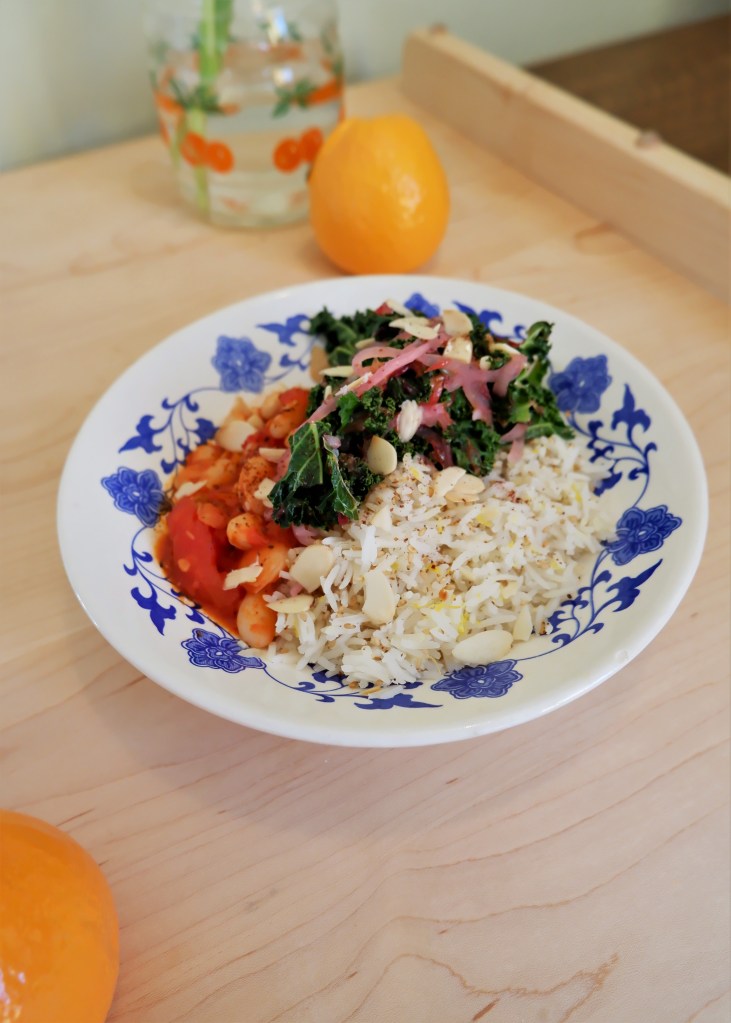
WHITE BEAN STEW WITH BLOOD ORANGE & KALE
Serves 4
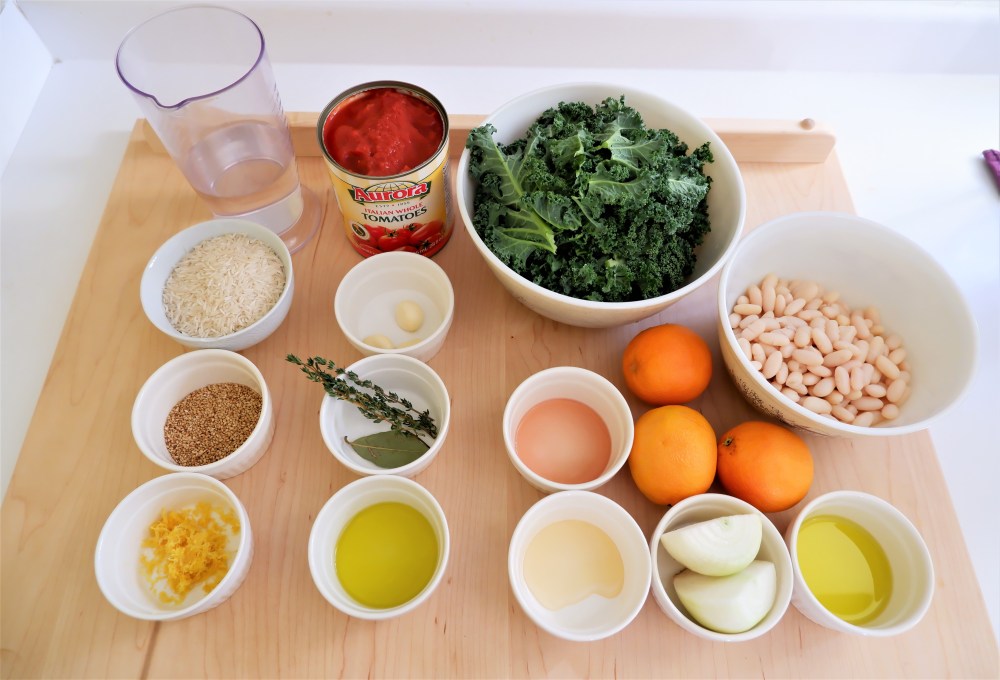
Ingredients:
Stewed White Beans
- 2 tbsp olive oil
- 3 garlic cloves, chopped
- 1 bay leaf
- 3 sprigs of fresh thyme
- 1 can of chopped tomatoes (400g)
- 2 cans of white beans, drained (or 3 cups re-hydrated and cooked white beans)
Blood Oranges & Kale
- 2 tbsp olive oil
- 1 yellow onion, sliced
- 3 blood oranges, peeled and segmented
- 1 tbsp red wine vinegar
- 1 tsp agave
- 3 cups kale, de-stemmed and chopped
Rice
- 1 cup basmati rice, rinsed
- 1 1/4 cup cold water
- 1/8 cup sesame seeds
- Zest of 1 lemon
Topping
- Almonds, toasted
- Sumac
Method:
1- Start off by preparing all the ingredients for the recipe. This includes chopping the garlic, slicing the yellow onion, segmenting the blood oranges, and destemming/chopping the kale.

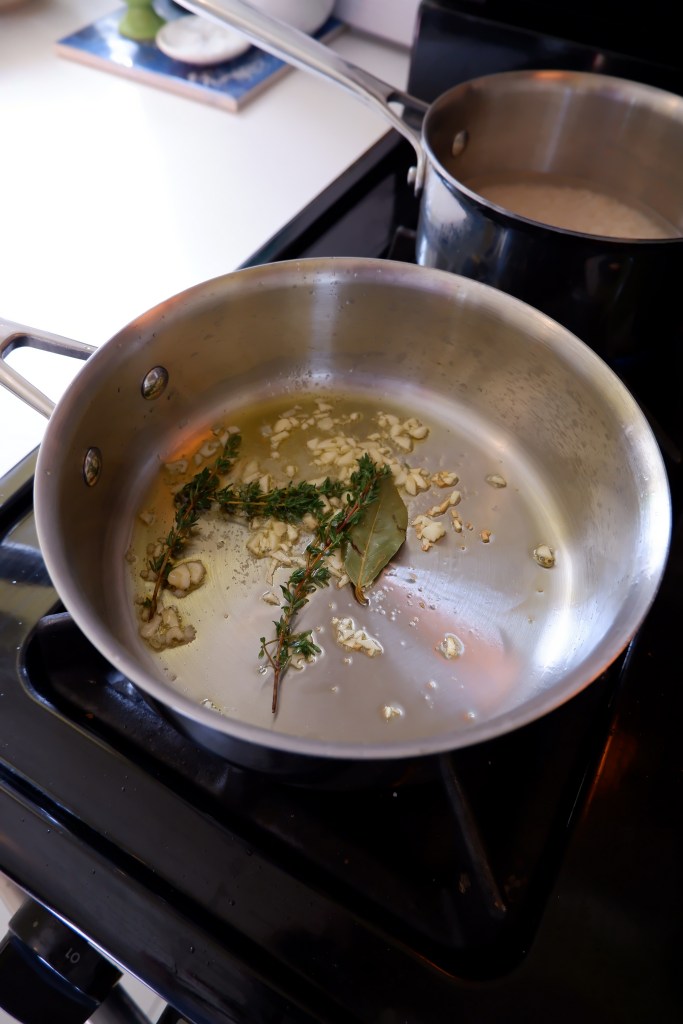
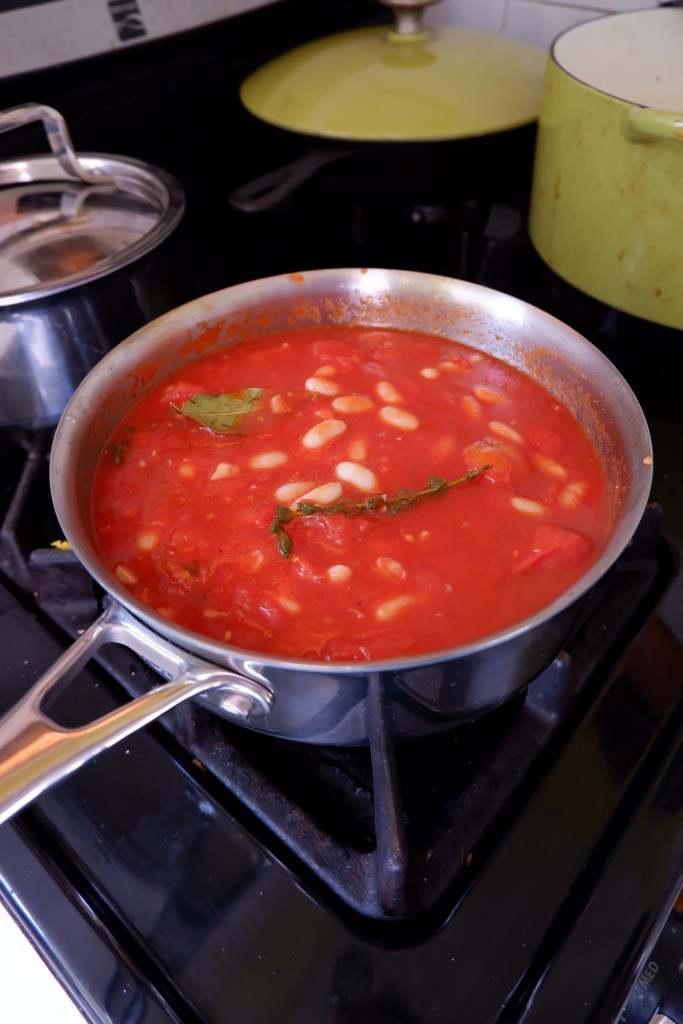
2- In a medium pot, heat 2 tbsp olive oil. Add the chopped garlic, fresh thyme, and bay leaf and cook for 1-2 minutes. To this, add the canned tomatoes and a generous pinch of salt. Allow this to simmer for 10 minutes before adding the white beans. Once the beans are added, continue simmering for a minimum of 20 minutes. More flavor will develop the longer this stews for.

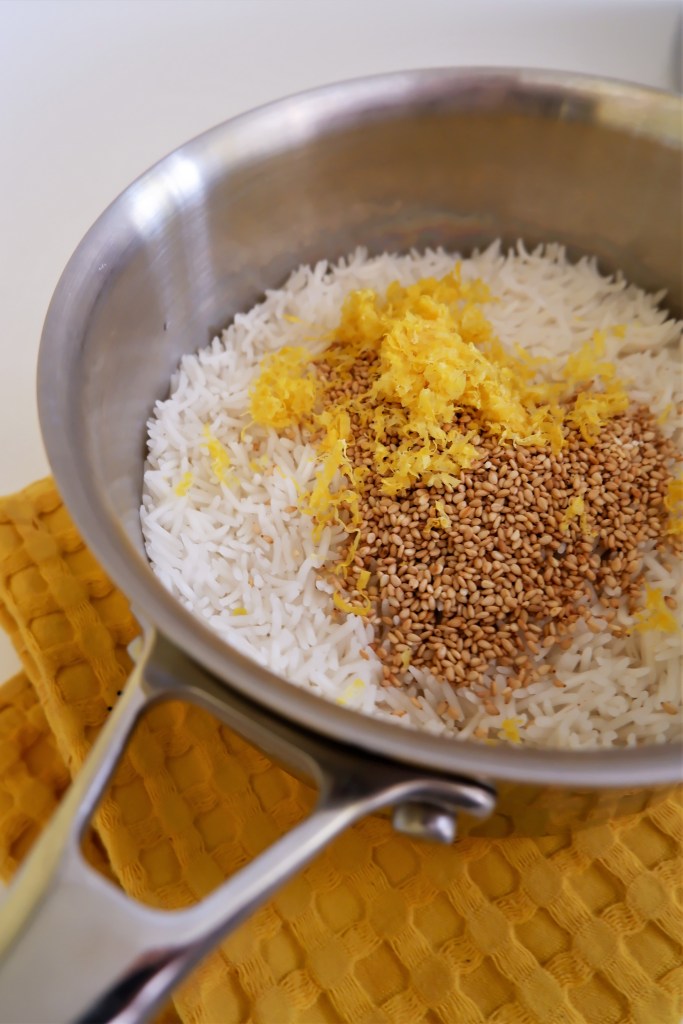
3- In a small pot, add rinsed rice and cold water. Over high heat, bring the rice to a boil. Once it hits a boil, immediately cover the pot with a lid and turn the heat down to low. Allow the rice to steam for 15 minutes.
4- While the rice cooks, in a large pot or Dutch oven, heat 2 tbsp olive oil for the blood orange & kale mix. Add the sliced onions and cook until translucent. Next, add the segmented blood oranges and cook on medium heat until the juices start to caramelize. Add the red wine vinegar and agave, continuing to cook on medium low heat. Finish by adding the chopped kale and cook until the kale is soft and wilted, but still very green.
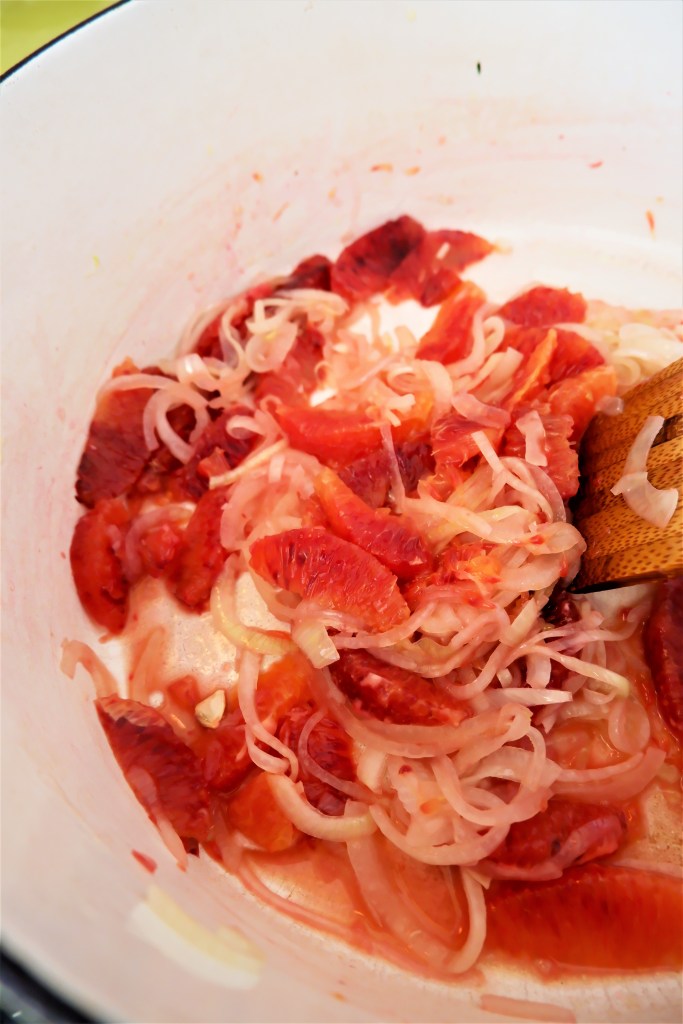
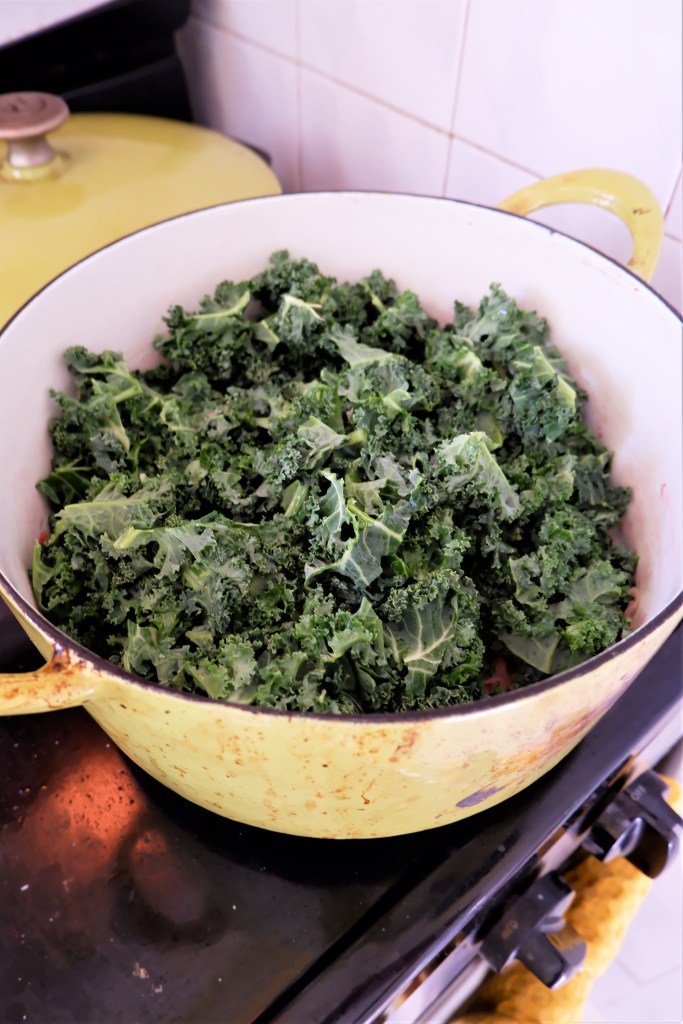
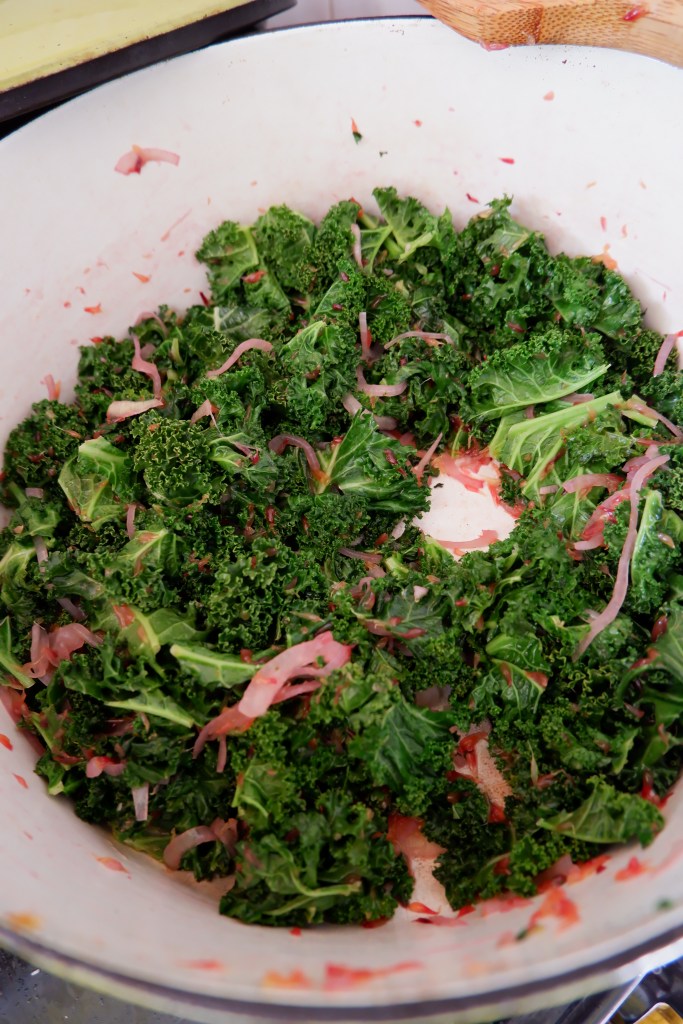
5- Once the rice is cooked, carefully mix in the sesame seeds and lemon zest.
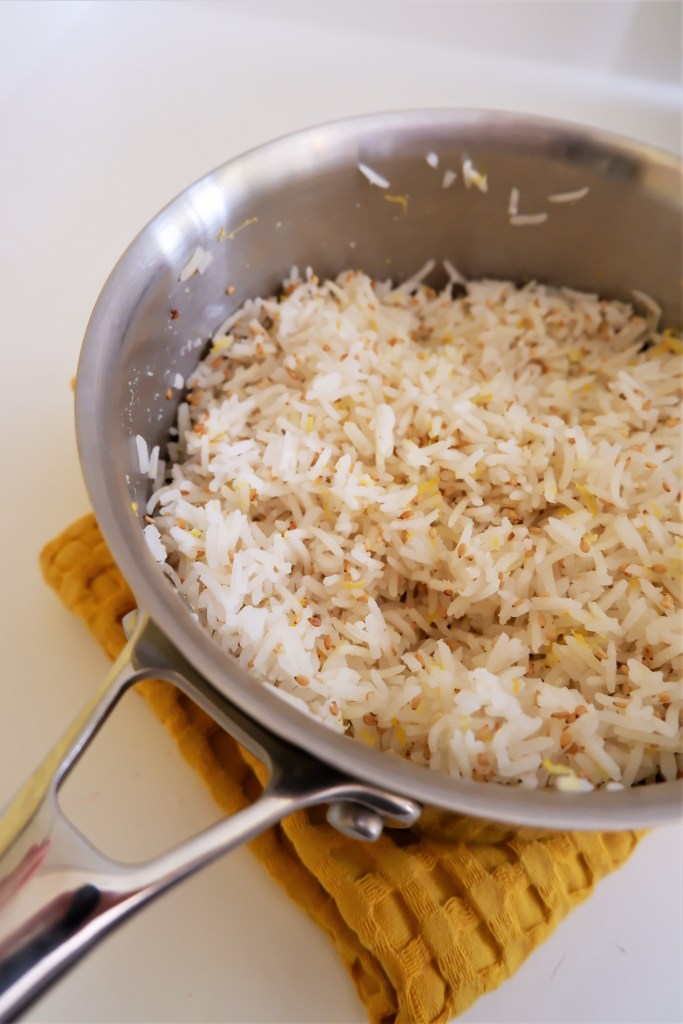
6. Now that all components are complete, you can serve them all together in a bowl. I like to place the rice at the bottom, some stew on the side, and top it off with the blood orange & kale. To finish, sprinkle with toasted nuts and sumac.
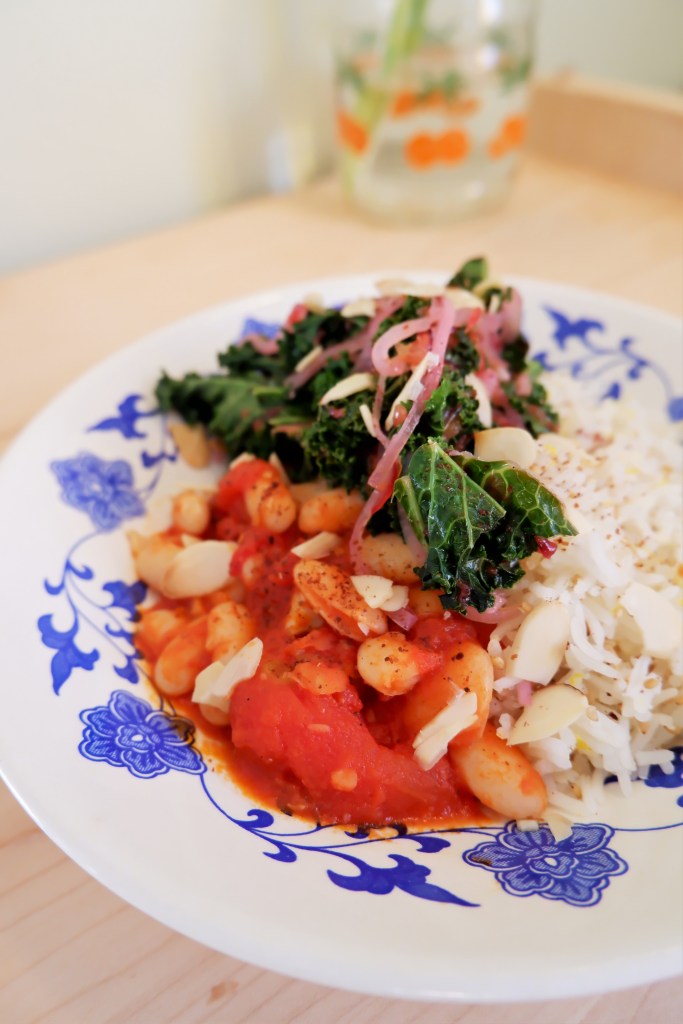
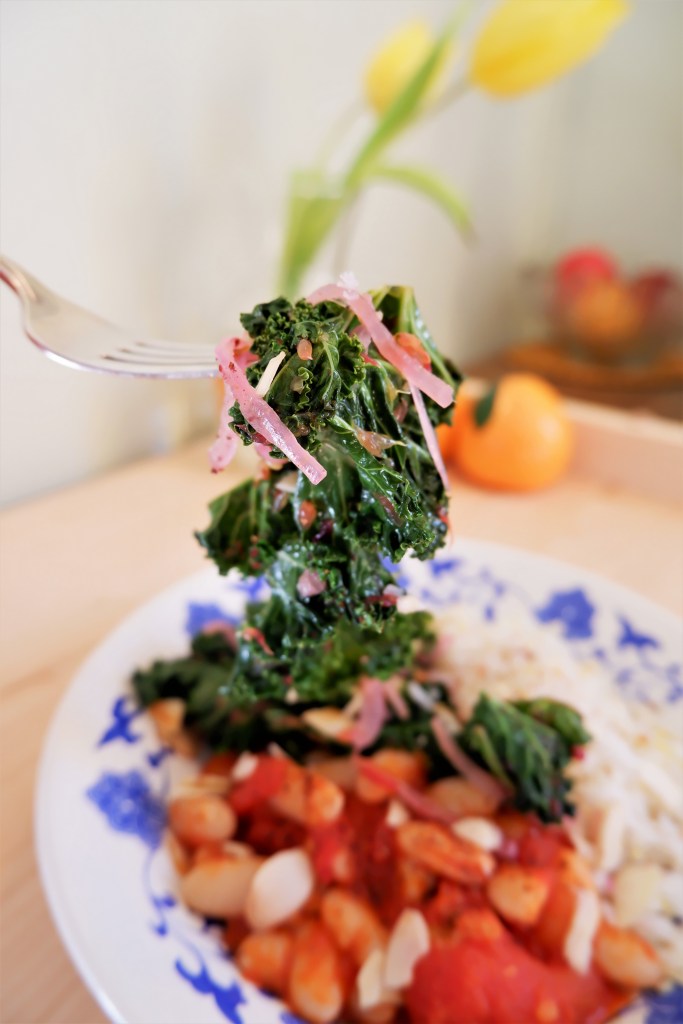
Enjoy!
This dish is not only absolutely delicious, but unique and bursting with flavor. Although all of the ingredients necessary for the recipe are widely available and easy to find at your local grocery store, I love that this recipe is so forgiving. If you can’t find certain items, it is easy to replace ingredients with what you can find. You could easily swap in regular oranges instead of blood oranges, swiss chard or rapini if you can’t find kale, or even chickpeas rather than white beans.
The most challenging part of the recipe is segmenting the oranges. I know that this seems like such a normal and easy food preparation, but it is something I realized that I barely ever do. For this portion of the recipe, I took my time in preparing the oranges properly and working on my segmenting technique. I didn’t want to waste any of those beautiful blood oranges! Aside from this, the actual cooking process is very straight forward and doesn’t involve any fancy cooking techniques. This allows you to focus your energy on the flavors of the dish and developing as little or as much as you would like. Just like when I make tomato sauce, I like to stew these beans for a longer time (an hour or so) to get rid of any acidity from the tomatoes and reach a very rich flavor, but if you only have 30 minutes to cook, it still tastes delicious. You can also play around with toppings by swapping out the almonds for a different variety of nuts or seeds and can try different finishing spices like za’atar instead of sumac.
All of the components together create a nutrient dense and satisfying meal that you can feel good about eating. As a plus, the stewed bean portion freezes very well so this is a great item to keep in your freezer for a quick weeknight dinner. I certainly will be making this recipe more often and look forward to experimenting with different vegetable and flavor combinations.
References
Earth, D. (2019, November 06). Top 10 reasons why it’s green to GO VEGGIE. Retrieved March 10, 2021, from https://www.downtoearth.org/go-veggie/environment/top-10-reasons
EBSCO CAM Review Board. (2020). Vegan diet. Salem Press Encyclopedia of Health.
Environmental benefits of a vegan diet. (2019, March 22). Retrieved March 10, 2021, from https://uwaterloo.ca/food-services/blog/post/environmental-benefits-vegan-diet
Ethical benefits of not eating meat. (2019, January 10). Retrieved March 10, 2021, from https://www.ethicalconsumer.org/food-drink/ethical-benefits-not-eating-meat
McEwen, B., & Bingham, M. (2019). Vegan diet and chronic disease: A brief report. Journal of the Australian Traditional-Medicine Society, 25(2), 77–79.
Menzel, J., Biemann, R., Longree, A., Isermann, B., Mai, K., Schulze, M. B., Abraham, K., & Weikert, C. (2020). Associations of a vegan diet with inflammatory biomarkers. Scientific Reports, 10(1), 1933. https://doi-org.gbcprx01.georgebrown.ca/10.1038/s41598-020-58875-x
Tuso, P. J., Ismail, M. H., Ha, B. P., & Bartolotto, C. (2013). Nutritional update for physicians: plant-based diets. The Permanente journal, 17(2), 61–66. https://doi.org/10.7812/TPP/12-085
Photos
All photography is photographed and owned by Gabriella Bevilacqua.
All graphics are edited, manipulated, or created by Gabriella Bevilacqua.

 This Gal Cooks
Published by